Bronze Busts

Bronze is a material of strength and expression. Rich, warm, and full of depth, it changes depending on the light and gives the bust a character that marble cannot capture in the same way.
Paulina Cassimatis creates custom bronze busts, making full use of the freedom the material offers in shaping, detail, and expressiveness. Through clay modeling, casting, and the final surface treatment, each bust becomes a work with psychological depth and a strong sense of presence.
What Is a Bronze Bust?
A bronze bust is a sculpted portrait cast in an alloy of copper. It is a material used by the ancient Greeks and Romans for some of their most important works. Unlike marble, the bronze bust is first modeled in clay and then cast using the lost-wax method, a process that combines sculpture with metallurgy.
Its rich surface and the different patinas that can be applied give depth and warmth, turning each work into an autonomous sculptural event. Today, a custom bronze bust is created for portraits, monuments, gifts, and any setting where expressive strength and durability are required.
Why Choose Bronze for a Custom Bust?
Bronze offers possibilities that few other materials can match. It combines freedom of form, a rich aesthetic surface, and exceptional durability, making it suitable for both interior and exterior spaces.
Material Characteristics
- Rich surface with a wide range of patinas, from golden tones to dark brown and green
- Great freedom in shaping, allowing fine details and dynamic forms
- Possibility of creating multiple casts from the same mold
- Excellent resistance to outdoor conditions
- The casting process allows corrections at the clay stage before the final result
When is Bronze Recommended?
- Realistic or dynamic works with emphasis on detail
- Projects that require a wide expressive range
- Commissions where multiple casts may be needed
- Monuments, public spaces, and outdoor installations
- Private commissions that focus on the richness of the surface
Bronze Busts by Paulina Cassimatis


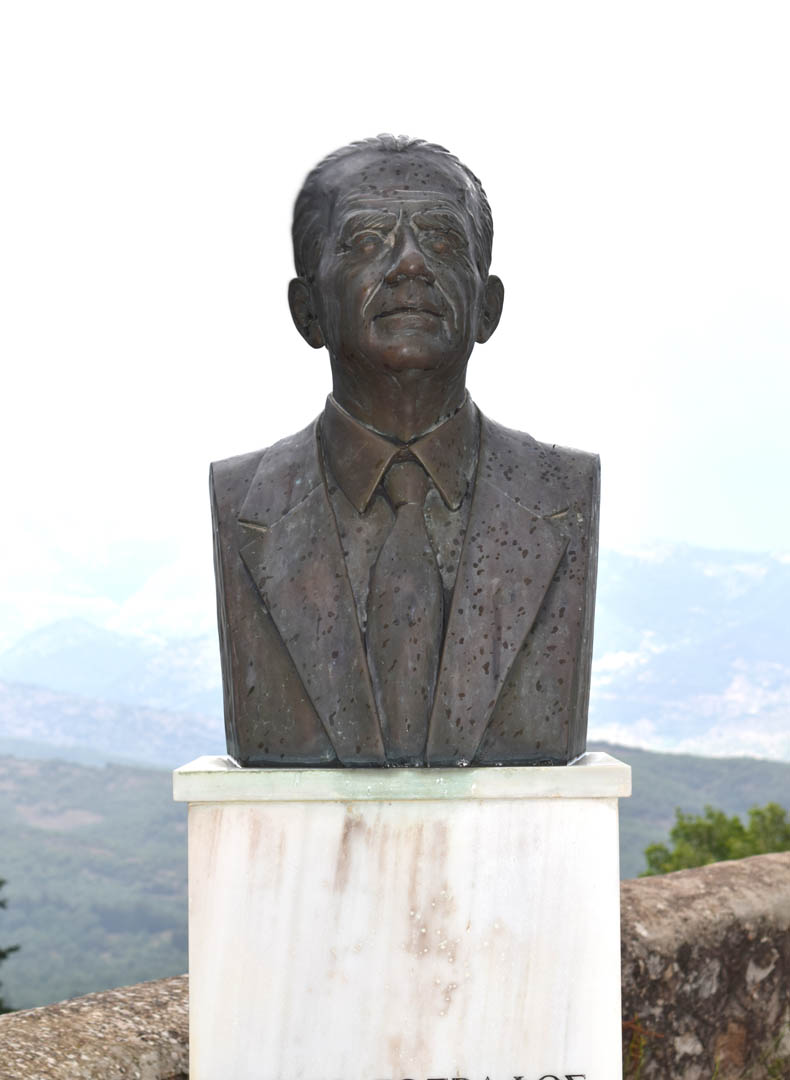
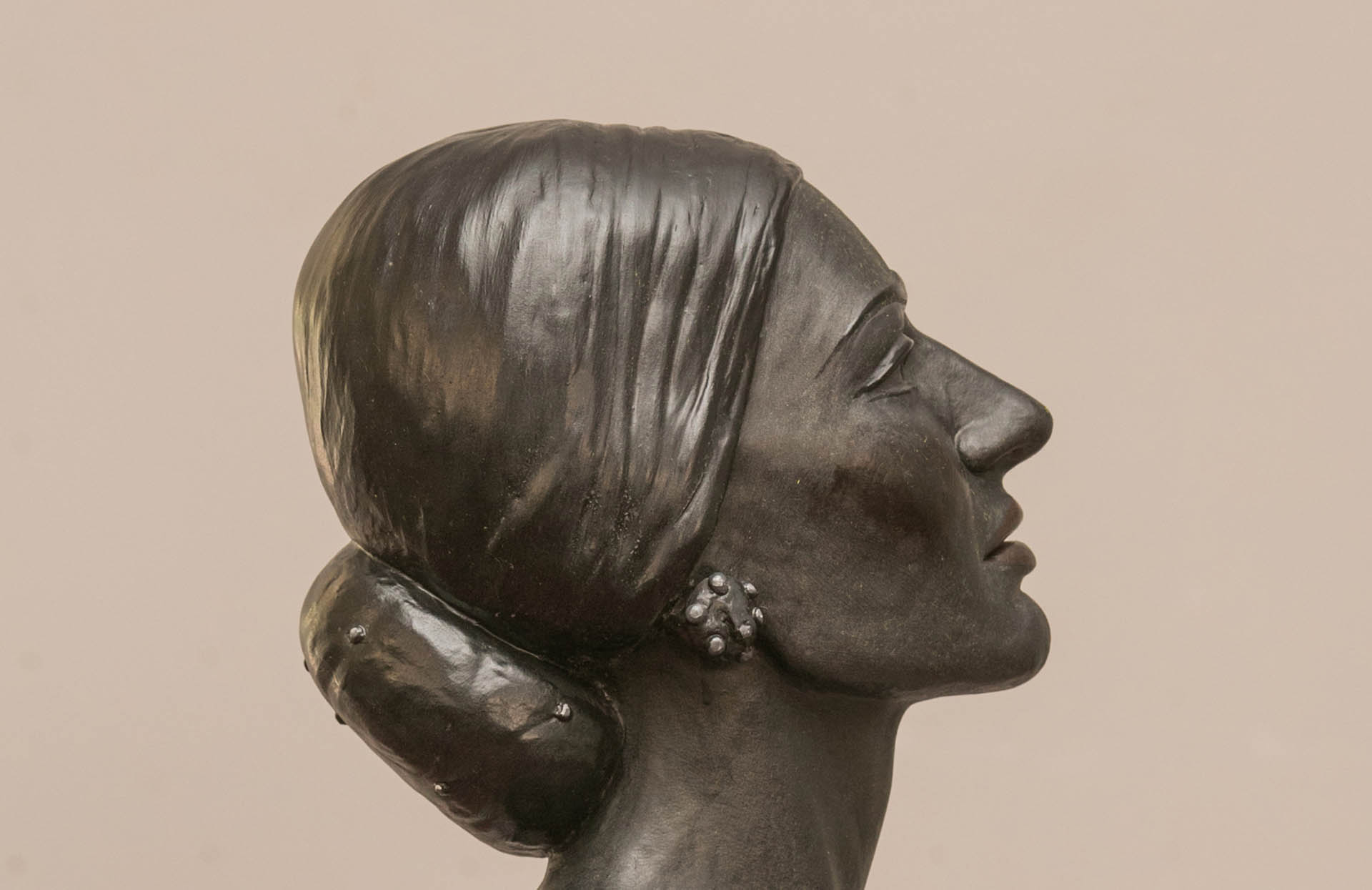
The Advantages of Bronze over Marble in Busts
Although marble and bronze are two of the most timeless materials in sculpture, they lead to a different aesthetic and technical result. Marble offers purity, brightness, and classical simplicity, while bronze gives the form greater freedom, a richer surface, and more expressive possibilities.
Greater Freedom in Shaping the Form
In a bronze bust, the form is first created in clay before it is cast. This allows for dynamic movement, fine details, and expressive elements that are often more difficult to achieve directly in marble.
More Possibilities for Corrections Before Casting
Marble is an irreversible material. Each removal is final. In contrast, during the clay stage, corrections and adjustments can be made before casting, allowing the bust to develop with greater precision.
Possibility of Multiple Casts
Unlike a marble bust, which is a single carved work, bronze allows a limited number of casts to be created from the same mold. This is especially useful for monuments, commemorative commissions, or works that need to be placed in different locations.
Richer Surface and Patina
Marble has a natural brightness and clarity, while bronze gains depth through its patina. Patinas can give warmth, intensity, and a distinct character to the work, depending on the light and the space.
Stronger Expressive Intensity
Bronze is especially suitable when the bust aims to convey a strong presence, dynamism, and psychological depth. Its surface, tone, and weight help express the inner energy and character of the subject more clearly.
Custom Bronze Bust Creation
Each custom commission begins with an initial discussion about the person to be portrayed, the desired size, the purpose of the work, and the artistic direction. The process may begin with high-quality photographic material or, when possible, live observation of the subject in the studio.
The study then focuses on the anatomy, expression, and proportions of the face. The aim is not only external likeness, but the expression of the inner energy and unique character that makes each person distinct.
Bronze busts can be created for different needs and settings, from personal commissions to public monuments or commemorative works.
- Personal bust from photographs, for private homes, private collections, or a special gift
- Memorial bust for institutions, municipalities, organizations, or public spaces
- Commissions with multiple casts for works that need to be placed in more than one location.
Bronze Bust Creation Process
Bronze casting is a complex process that combines sculptural precision with technical knowledge. It begins with a handmade clay model, where the likeness, expression, and character of the face are shaped, and is completed with the patina, which gives the work its final color and distinct presence.
The main stages of the process are:
1. Reference Study
Photographic material is gathered, while the anatomy, proportions, and expression of the face are studied. The artistic direction of the work is also defined at this stage.
2. Clay Model Creation
An internal support structure is created, and clay is then gradually added. The form develops step by step, from the general volumes to the finer details.
3. Client Approval
The client reviews the main form of the bust, gives feedback, and, where needed, refinements are made before the work moves to the next stage.
4. Silicone Mold Making
A silicone mold is created from the completed clay model, so the form can be captured with accuracy.
5. Wax Replica Creation
Wax is poured into the mold to create a wax replica of the bust.
6. Refractory Encasement and Firing
The wax replica is encased in refractory material and fired, so the wax is removed and space is left for the metal casting.
7. Bronze Casting
Molten bronze is poured into the mold and takes the final form of the bust.
8. Cleaning and Surface Finishing
After the work is revealed, the surface is cleaned, assembled where needed, and refined in detail.
9. Patina Application
The patina gives the work its final color, depth, and character, completing the visual presence of the bronze bust.
Timeline: Typically 16 to 32 weeks, depending on complexity and material. Bronze works may require additional time due to the casting process.
Uses of a Bronze Bust
Bronze is one of the most versatile materials for sculpted busts, as it is suitable for both interior and exterior spaces. Its durability, expressiveness, and ability to create multiple casts make it ideal for public, private, and commemorative commissions.
- Memorials and commemorative installations for works that honor a person, a contribution, or a historical memory
- Museums and cultural institutions for busts included in collections, exhibitions, or spaces of cultural reference
- Squares, parks, and outdoor spaces thanks to bronze’s excellent resistance to outdoor conditions
- Professional spaces such as offices, institutions, organizations, or companies with a formal character
- Private collections and residential spaces for works with personal, family, or collecting value
- Commissions of multiple casts when the same bust needs to be placed in more than one location
Interested in Commissioning a Custom Bronze Bust?
Discuss the person, size, and intended use of the work with Paulina Cassimatis, and begin the creation of a handmade bronze bust with expressiveness, depth, and lasting durability.
FAQs
Bronze casting is the process through which an original clay model is transformed into a cast bronze work. A mold is first created from the clay piece, then the sculpture is cast in bronze using the lost-wax method. This technique has deep roots in the history of sculpture.
Yes. A custom commission can be created from high-quality photographic material, ideally from multiple angles, so that the proportions, characteristics, and expression of the subject can be studied properly. When possible, live observation in the studio helps achieve an even more accurate result.
Yes. Bronze busts can be created as custom commissions for specific people, such as relatives, important figures, patrons, donors, artists, or historical personalities. The process begins with a study of the available material and a discussion about the size, scale, and purpose of the work.
Yes, significantly. Bronze is cast from a clay model, a process that allows corrections at the clay stage and greater freedom of form. Marble, on the other hand, is carved directly, requires more demanding corrections, and gives a simpler, brighter, and more classical result.
Yes. This is one of the main advantages of bronze. The same mold can be used to create more than one cast, something especially useful for public commissions or works that need to be placed in different locations. The number of casts is agreed upon during the commission.
Yes. Bronze is one of the most durable materials for outdoor sculpture, monuments, and commemorative installations. Over time, it can develop a natural patina, which does not damage the work but becomes part of its natural aging and character.
Maintenance depends on whether the bust is placed indoors or outdoors. In general, it requires gentle cleaning and avoiding harsh chemical products that may affect the patina. If the work is installed outdoors, the artist can provide care instructions based on the final finish and the placement environment.